
- After identifying the need for students to learn their timetables well to help them as they move onto more challenging maths tasks such as long division, myself and Steve have been testing students daily and giving them time during maths to learn these by rote. We have emphasised the importance of learning these to help them with maths, become better at maths and to help them in the future. I tested Aatea, she had good speed and accuracy but when she went to complete her maths she was unable to transfer her knowledge while working out long multiplication. After a discussion with Steve about this, he pointed out that Aatea and some of the others learn more successfully with audio rather than written, which the multiplication was. This made me think of how I am assessing and teaching children. Am I assessing them equally and taking into consideration their styles of learning? Audio or visual? When planning activities have I got all the elements in there? Oral instructions, written on the board or drive, videos, practical tasks.
- When testing timestables at least I will now use a mix of audio and visual (saying it and seeing it written) to help students learn both ways and take note if this helps Aatea and others transfer their skills to the actual problems.
- Links to Standard 5 - Design for Learning
- Developing ākonga metacognitive awareness by examining why particular strategies are effective or less effective in different learning contexts.
- Adapting lessons to ensure they address ākonga needs and interests as they arise.
- Helping ākonga appreciate the value or importance of what they are learning.
From Kidspot
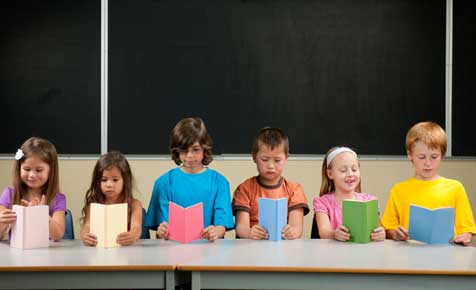
Learning styles explained
Auditory or language learners
These types learn through listening to what others have to say and talking about what they’re learning. They’re also more likely to:
- remember information by talking aloud
- need to have things explained orally
- may have trouble with written instructions
- talk to themselves while learning something new
- enjoy discussion groups over working alone
Worth noting: auditory learners might look like they’re not paying attention when you talk to them but their listening skills are more developed than their visual skills.
Visual learners
As their name suggests, these people learn through watching. It’s believed to be the most dominant learning style and many traditional classrooms are geared towards the visual learner. For their learning to make sense they need to be able to see, visualise and illustrate their knowledge skills and concepts. Visual learning characteristics include:
- remembering visual details
- preferring to see what they are learning
- needing to have paper and pens handy
- doodling while listening
- liking to write down instructions or see them demonstrated
Worth noting: Telling these learners how to do something may not make sense to them at all – they need to see it.
Kinaesthetic/tactile learners
These learners like to be actively involved in the learning process, and learn best through hands-on activities and movement. Other kinaesthetic characteristics are they:
- want to actually do whatever is being talked about or learned
- like to move around while listening or talking
- often ‘talk’ with their hands
- like to touch things in order to learn about them
- remember events by recalling who did what rather than who said what
Worth noting: These types of learners can be misdiagnosed as ADHD or troublemakers because the more tradition visual or auditory learning styles just don’t work for them.
Is there a fourth style?
While the above three are the major styles discussed, some experts talk about logical or ‘analytical’ learners. These learn through exploring patterns and understanding how things relate to each other. These learners also:
- love knowing how things work
- are capable of quite logical thinking at a very young age
- ask a lot of questions so they can understand how things interrelate
- show an early aptitude at solving mathematical problems
- can grasp strategy games at a young age


