10 July 2018

Margaret - Reflection on PLD with Rob

  • Attending and contributing to PLD opportunities within and beyond my school.
  • Reflection on how aspects of PLD have been enacted and the impact on ākonga learning.
  • Professional learning and development that aligns with the goals or next steps identified in the appraisal process and renewal of my practising certificate.
PLD July 10 2018

What was useful/significant to me?

- Judy-Anne set up a site for putting together a playlist using you tube videos.  This now has all things required for assembly preparation that students can use and add to.

- Looked further at managing comments  on google docs and learnt how to lock certain docs for editing when providing instructions to class.  Suggesting/edit/viewing mode when sharing.  Steve has also set up a group to enable us to email shared docs to whole class.

- Using the whole school planning template now in teachers shared folder.  This will be helpful with me and Steve working together with our planning as we can add to it things such as what students need support or where we left off when we are in the class.


What I am finding challenging?

Still finding the process for sharing photos easily with the whole class rather complicated but are still covering this today.
See saw - still to come
Management of learning in class - need more practice with the systems in class to get this down pact.

  Where are my class/myself next steps?

Continue to practice using these systems
Put class rules/routines up on display in the class 
Continue to have students teach each other new skills as they learn them.
Work on managing comments (marking) even spending 5 minutes at break going through these to keep up to date.

- 

TBCS - Teacher Only Days 9/10 July - Reflection - Judy-Anne


Teacher Only Days - 9/10 July 2018

Reflection on progress

What learning was useful/significant for me
It is always useful to spend time actually trying out stuff we are learning about so it was useful for me to spend some time playing with the long term plan template, merging cells, changing headings and titles etc. Still lots to do on it but have made a start and Steve knows what he is doing with it so help is readily available.

It was also good to have a look at photos and how they are stored in the two different places- so all of them should be in one of those places.

A little extra playing also got photos I wanted into blog posts - it appears I should needed to go further into the web pages to get to the actual picture.

It was interesting to go further into sites to increase what I had started with the songs for assembly. Hadn't really considered it being a web page so quite exciting to think we have made a web page!

What am I finding challenging…

I found the comments bit challenging as I don't do this very often and part way through a comment my cursor moved so I was in the wrong place. I didn't notice so it became difficult to fix.

Time to play is always a challenge.

Tend to feel 'behind' so mindset is a challenge

What are my and/or my class’s next steps...

Play further with the long term template
Figure out how to get my videos to work on blogger
Add more videos to the Hui Songs site


  • Attending and contributing to PLD opport
  • unities within and beyond my school.
  • Reflection on how aspects of PLD have been enacted and the impact on ākonga learning.
  • Professional learning and development that aligns with the goals or next steps identified in the appraisal process


Steve-TBCS-PLD Day Reflection-July 2018


Reflection:
A full on day with lots to think about and take on board.
Good to have some practical application time to sort out issues.
I feel a lot better about where we are going now.
Seesaw to still be sorted.
  1. Steve - photos, linking in between the iPad and the photos (blue one doesn’t but green one does, how do you get them from Photos > SeeSaw, etc.), kids aren’t sure where things are stored and how to access them. This is something for everyone to learn about to make it easy. It was pleasing to spend time sorting out the little hiccups that have hampered our development and use of our PLD. I came away tired but happier that I can deliver a better programme.
  2. What has been going well, I have really enjoyed having the children put there work up on the screen, discussing it with me (and the whole class by default) and working on changes.
    The editing part of writing has always been a bit of a dinosaur, how to make it relevant while getting buy in from the students. The commenting ability in google docs is very cool. Instant feedback, identifying areas to improve, and owning there documents.
  3. Labeling has gotten better, still the odd nondescript items.
    Seesaw continues to be a good link to home, I must remember to use the audio options, keep forgetting.
    Staff wise, the blog is becoming more used, the change of meeting time seems to be helping. Action steps are to look at commenting on each other’s blogs, otherwise why write them?
Engage in professional learning: using the google docs, for editing and feedback, for students learning.
We entered into a 'sheet' for our planning, to look at co-ordinating between teachers and across the school.
Action Step; 
  1. Sit down with Judy-Anne and cross over old plans into new format. This is an enquiry into our tracking and recording.
  2. Set out plans for Margaret and myself to work from. Daily and weekly planner. (sheets)
  3. Set out printed guidelines for using photos, docs etc for both staff and students.

  1. Remember to use the comments also in sheets, may be very useful when we are planning from the same document.

  1. Do we need an agenda for each Blog time, to allow for comment and discussion time.

TBCS - Craig - Reflection Day 1 PLD - July 2018


Reflection on progress


    1. What learning was useful/significant for me
  • Organising photos and sharing photos from ipad and making a shared Room 3 Google Photo site that gives everyone access.
  • Commenting on Google Docs which will be really useful when I am helping my students in their writing.
  • Lock certain docs that I share with people so they can only comment and not change. Wont work if it is in the team drive so not helpful with the class as we are only using a team drive.
  • Suggestion mode and how it is different to commenting which can be really helpful if students are working together or helping each other..
  • Planning template from Rod which keeps all planning in one Google sheet. Long term, Terms, Weeks etc with with links to everything else.
  • Community of Learning and Member Hangout which I have just been added to and look forward to doing the courses and becoming more confident.
  • How to change profile picture.
  • Google sites.
  • Make collage or animations from Google Photos.

    1. What am I finding challenging…
  • The idea that nothing is well done. There is always something you could have added or done better, or extended etc.
    1. What are my and/or my class’s next steps...
  • Use commenting to help my students when I am helping them with their writing.
  • Do the courses in Rob's Community of Learning.
  • Teach my students how to access and use photos.
  • Keep imputing on the Tasman Bay Christian Resources site to make Assembly easier.
  • Use and prepare the planning sheet.
  • Have a play and make another Google site.

  • 2  Undertaking PLD and further professional reading.
  • 2  Reflection on how aspects of PLD have been enacted and the impact on ākonga learning.
  • 2  Attending and contributing to PLD opportunities within and beyond my school.

9 July 2018

TBCS - Craig - Maths - Individual Programmes at TBCS


At Tasman Bay Christian School, we have the privilege of each child having a device to work on and in my room, that means that each student has a laptop. Along with the hardware, we have programmes designed to meet students at their point of need and to allow them to work at the pace the need to without being held back or holding others back. As the teacher I use these tools to allow each student to find success and to stretch them enough to make their learning experience a fulfilling one.

Maths Buddy caters for students from year 1 to year 13 including Cambridge Examinations.
  • It has diagnostic tools to asses prior learning and where the students are at. 
  • It has teaching videos before every lesson that cover the points being taught and the student can re-watch these videos as many times as they need to.
  • The programme is constructed as to not allow students to finish the lesson till they have achieved a mark of 80% or greater. The lesson is repeated till this is achieved.
  • If a student struggles in a particular area, they can be set lessons on the same topic from earlier grades to build a foundation in that particular area and to allow success to build them up to where they should be.
  • The diagnostic tools are also used to show understanding in an area and that all parts that need to be learned - have been learned.
My jobs include monitoring each students progress, being available to help, keeping students on task, catching students who are getting bogged down and giving individual lessons, Keeping up their enthusiasm, and celebrating success with them.


  • Structuring learning tasks so that all ākonga experience a degree of success, but also ensuring that they are required to stretch themselves to fully succeed.
  • Adapting lessons to ensure they address ākonga needs and interests as they arise.

5 July 2018

TBCS - Craig - Ideas for Writing from “Lighting the Literacy Fire” Jill E. Eggleton


Notes from “Lighting the Literacy Fire” Jill E. Eggleton, Writing Pg. 85-113

Ideas for writing.

Shared writing – Teacher and students work together to construct a piece of writing. E.g. retelling a story that has been read to the class – class has been on a trip – a visitor has been in the school/class – when an investigation or experiment has been carried out.

Interactive Writing – Similar to shared writing, but each student writes down the text for themselves. Some words may have to be modelled. Best with small groups.

Writing for Students – Teacher takes control of the writing and demonstrates their own writing in front of the students, explaining each step of the process.
-         Have the learning intentions or targets on a chart alongside you and clearly visible.
-         Explain why you are writing (purpose)
-         Explain who you are writing for (audience)
-         What you are going to writing about (topic)
-         What text form you writing is going to shaped in (e.g. description, explanation…)
-         Write in front of the students, talking to them about what you are going to say next and why.
-         Select a feature of deeper features and discuss as you write.
-         Use high frequency words.
-         Reinforce punctuation.
-         Reread, talking to the students about the importance of revisiting your writing to see if anything can be added or deleted to make the message clearer.

Text Form Cards – have text form cards available for students. They have the features and structures for different text forms listed.

Independent Writing

-         Students should write every day.
-         Conferencing is very important to give feedback to the writher on strengths and needs. This could be partner conferences, Group conferences, and student/teacher conferences

Publishing – gives and purpose to the writing and is an important factor in keeping students enthusiastic about their writing.

Different Forms of Writing.

Narrative – Adventure Stories, Mysteries, Science Fiction, Fantasy, Myths and Legends, Fables, Fairy Tales, Poetry, Plays

Personal Narratives – Informational Reports, Newspaper Reports, Factual Descriptions, Journals, Interviews, Diaries, Journals, Biographies, Auto biographies.

Explanations – Informational Explanations, News Articles.

Persuasive – Persuasive Arguments, Advertisements, Brochures.

Procedural – Recipes, Directions, Manuals, Rules, Experiments.

Letters – Friendly, Formal, Emails, Faxes.


  • Sharing PLD knowledge, relevant readings and research with colleagues.
4 July 2018

TBCS - Narrative assessment reading- Judy-Anne


narrative assessment


.Sharing PLD knowledge, relevant readings and research with colleagues.

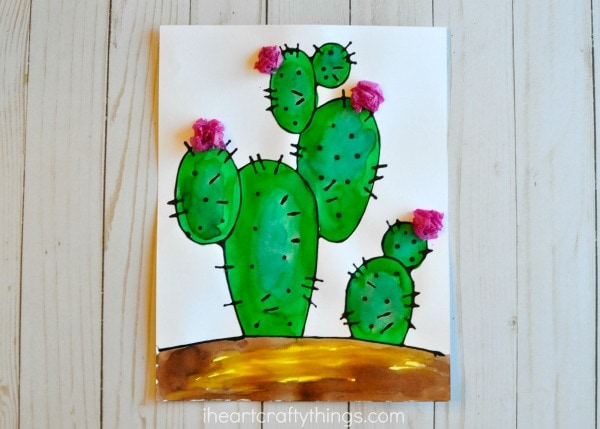
TBCS - Paint Scraped Landscapes - Judy-Anne


Paint Scraped Landscapes
.

Sharing PLD knowledge, relevant readings and research with colleagues.

TBCS-Steve-Dancing-Devotions-4-Learning -Focused Cultured-Devotions


  • Providing opportunities for ākonga engagement in co-operative learning, and reciprocal teaching. 
  • Monitoring ākonga closely to ensure they are treated respectfully and are included in all aspects of school life.
  • Promotion of positive and appropriate relationships with and between ākonga.
  • Monitoring of all ākonga closely to ensure they are being included and treated respectfully by their peers.


Paul Mullany Dance lessons teach children respect and discipline. It helps to build social awareness in children, so they not only learn how to dance; they also learn how to respect one another. The maturity necessary to dance together fosters respect, civility, teamwork, cooperation, confidence and a sense of joy, accomplishment and achievement. Through experiential learning, they learn valuable life skills and lessons of self-discovery, self-expression, and self-confidence. Their posture and confidence improves and awkwardness is replaced with physical grace & poise.

The Many Positive Benefits of Children's Ballroom Dancing:

- Strong Discipline & Teamwork
- Builds Self-Esteem & Confidence
- Better Social Skills
- Teaches Proper Etiquette
- Respect for Themselves and Others
- Improves Coordination and Balance
- Encourages Creativity and Self-Expression
- Exercises the Mind & Body
- Most of all, it's Fun & Exciting

I organised for a dance instructor to come and give four one hour lessons to the class on the Waltz, The Fox Trot and the Cha-Cha. This tied onto our Devotions topic of co-operation.
The students were paired as per my choosing. This was the start of co-operation.

Outcome: all students learnt to dance, some will even put on a demonstration at our Celebration Night where parents are invited to share in the students achievements and improvements. For the first lesson many students were reluctant to 'hold' their partner. By the end of the lesson only two students were having difficulty. One due to "I don't want to dance' attitude (not an uncommon statement). The other is closer than I thought he would get. By lesson three the gaps had closed, the steps shorter to match their dance partner, eyes had come up from the floor and we were dancing.

Even before the last lesson I believe we have changed our culture towards boys and girls to partners. They are reliant on each other to enable the dance to work.

Next Step: definitely do this again. The way it supported our Devotions topic was superb.