28 November 2018

TBCS - Vygotsky Quotes - Judy-Anne


And all I remembered about Vygotsky was Zones of Proximal Development.  Interesting how so much old stuff is still relevant, and almost modern again!


TBCS - Craig - PLD - Fairy Tales and the Moral Imagination


Fairy Tales And The Moral Imagination


These notes are taken from the PLD conference I attended with Andrew Pudewa entitled Spicing up Your Kids' Learning.


  • Fairy tales teach 'Kingness"
  • Fairy tales teach Sacrificial Love
  • Evil witches and goblins - must be killed and not tolerated
  • Princes can be frogs - and frogs can be princes etc.
100 years ago Faith over arched everything - Education reflected Culture - Culture cultivated Faith

Now Education over arches everything - culture is meaningless - Who can tell the weirdest stories and do the weirdest stuff.

4 Types of Literature

1.  Whole Stories = fulfilling stories     good = good
                                                                  bad = bad
                                                         
                                                               good wins!  (some variant of Cinderella) 

A Periot version might be  - cut toe and heal exposes fraudulent step sisters - boys like!

Super heroes e.g. A Dark Night

Emphasis on Truth... Good prevails.


2.  Healing Stories = redemptive qualities e.g. Han Christian Anderson "The Little Match Girl"

Good = Good  Bad = Bad

Good prevails in a way that is unexpected

She was received into heaven - didn't just die.

It is hard to believe what we don't have a picture of

Another example "The Little Mermaid"


3.  Broken Stories

Good = Good    Bad = Bad    Bad wins!  e.g. Dr Jeckele and Mr. Hyde

Nothing good happens - exhausted by the end.

Another example "Lord of the Flies"

The show the extrapolation of evil and sin when you reject goodness and God etc.


4.  Twisted Books

Good as evil - Evil as good  Good is seen as dumb and stupid and evil is exalted.

An example "House of Cards".

                                                     _________________

It is suggested that our students should read 80% Whole, 20% Healing.

Adults could look at Broken.

Everyone should avoid Twisted.

We naturally inject  ourselves into the story we are reading. Who do I identify with? Who am I most like? What could or would I have done?

Archetypes that were part of writing have changed...

Dragons = represented evil that needed to be killed.
              = Puff that frolics.
              = Train your own dragon.

Vampires = eternal death
                = "Twilight Series" the vampire is a perfect guy.

Harry Potter gets kids interested in occult, witches, wizards, magic.

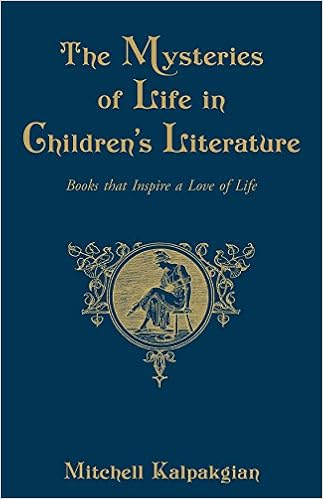
Suggested book of interest -

Stories feed our souls and help us negotiate issues in life... e.g.

Greed -  Midas and the Golden Touch, The Golden Goose

Surviving abandonment - Hansel and Grettle, Jimminy Cricket, A Series of Unfortunate Events.

The mystery of hospitality...

Wishes are the most real tings there are.

If you want something lawful, you get reward.

If you want something unlawful, you get result.

The mystery of life.

The value of life. (Fairy Tales are built around this)

There is more truth in a fairy tale than there is in a history book.

Resources:

Timeline of Classics

Sarah Mackenzie The Read Aloud Family Library

Lamplighter Press


TBCS - Student Agency - Judy-Anne Sumby

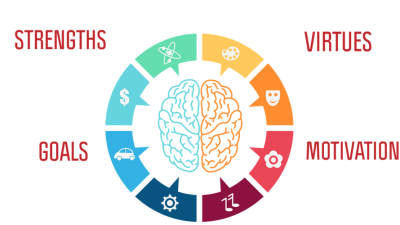
http://positivelypsychology.co.nz/articles/?fbclid=IwAR2WRuNY0mMZkFWfHl6qTEt7-skLvfHz3Pv6f8eco3s1GOb9alSileHWnPs


I might need to see whether I can check into where I found this. I am fairly sure I read one of the particular articles and that was why I saved it.

Steve - Nov 2018 - Hidden Lessons - Special Character


Availl
Akeelah and the Bee.
During the lesson there was a quote, as above.
It stood out as a 'God' moment. We have been looking into our behaviours, our expectations, our issues and how we deal with them, good choices.
Our image of ourselves is one others try to set. As Christians we should be relying on God's image of us. Mistakes will happen, how we deal with them depends on us. We can be made to feel inadequate for making good choices by others. Setting out strategies for when this happens now, will make it easier to talk through these issues with our 'parent'.
Outcome: a lesson on reading became a lesson on self worth, strategies for dealing with issues, the permission given to us by God to be powerful beyond measure. I am allowed to be talented, brilliant, gergeous and fabulous.

Next Step: I set each child the task to send home this quote on Seesaw and discuss it with Mum or Dad when they got home. I also sent home direct the quote and the circumstances.
I pray each child has made arrangements for dealing with feelings of inadequacies,  with their parents so that they feel they are not bound by those things, and have permission to be all they can be.